

Y2K Trends
Long-Form Article
Project Overview
For this project, I wrote a long-form article exploring the resurgence of early 2000s (Y2K) trends and what is driving their return.
Created as part of my graduate coursework in Writing for Interactive Media at Quinnipiac University and published on Medium, the piece combines cultural analysis with research to examine how nostalgia, media, and digital platforms influence trend cycles.
The goal was to create an engaging, research-backed article that balances cultural relevance with clear, accessible writing.
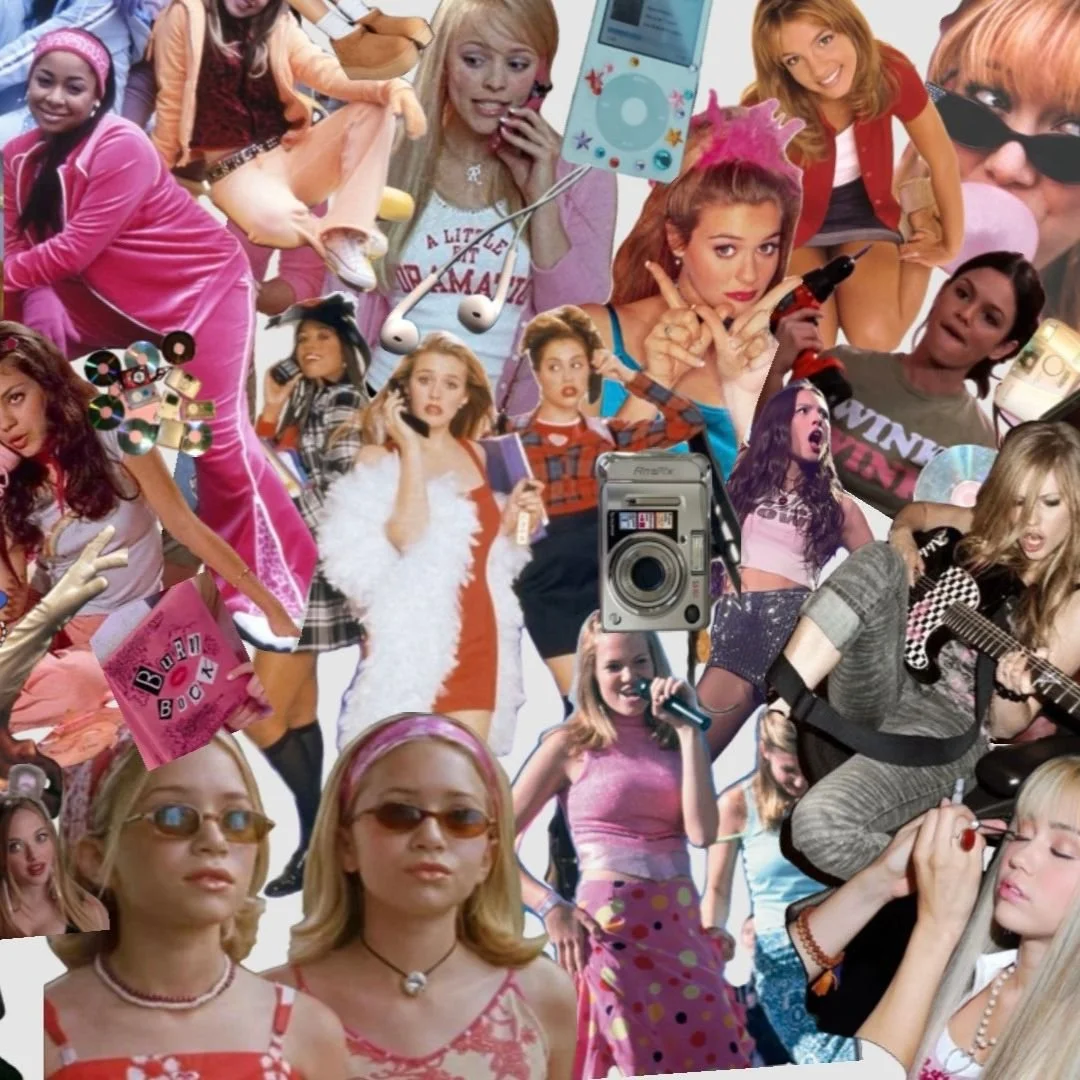
The Focus
The article explores why Y2K trends are resurfacing and how modern influences are accelerating their return.
Key topics include:
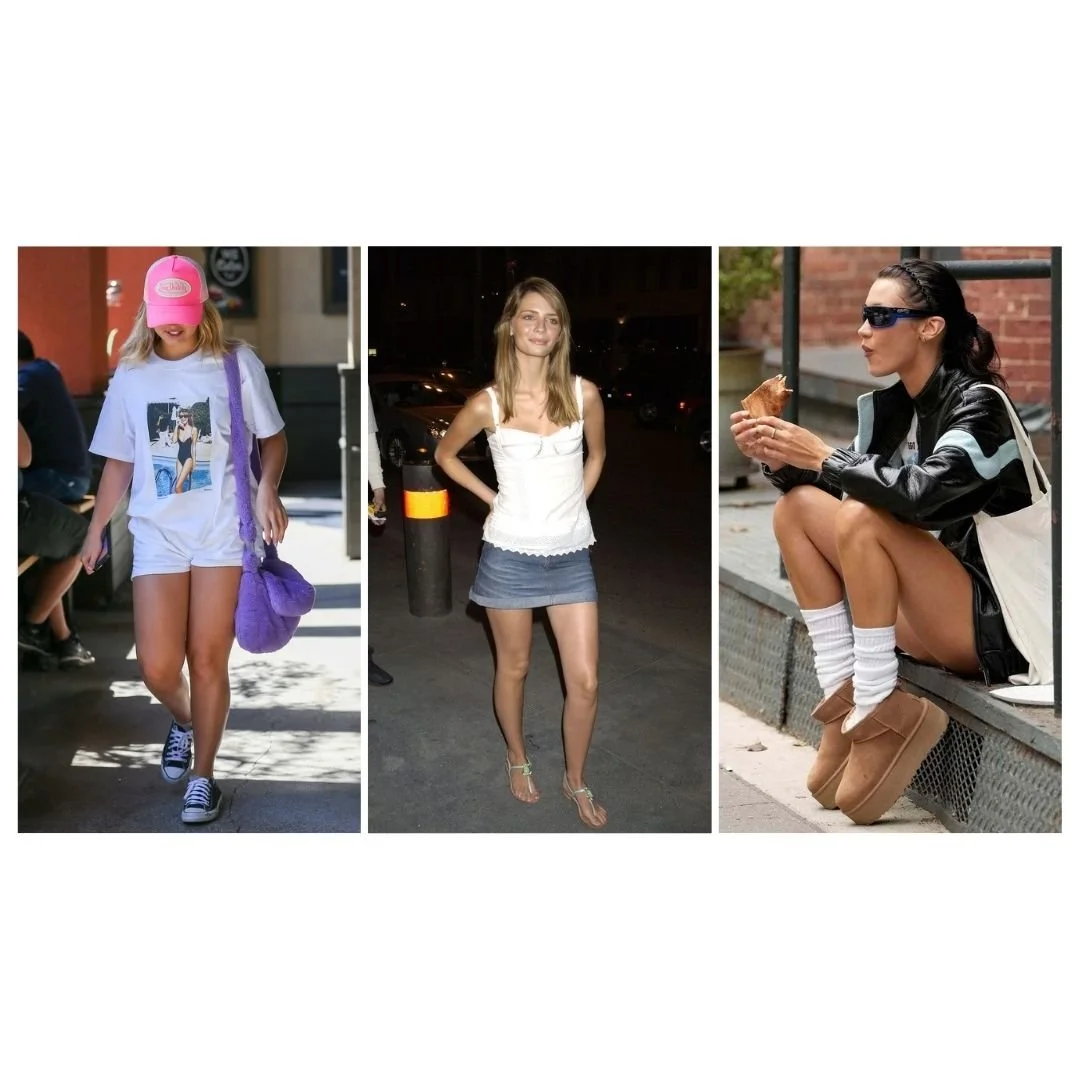
The 20-year trend cycle and its role in fashion and culture
The impact of pandemic-era nostalgia on consumer behavior
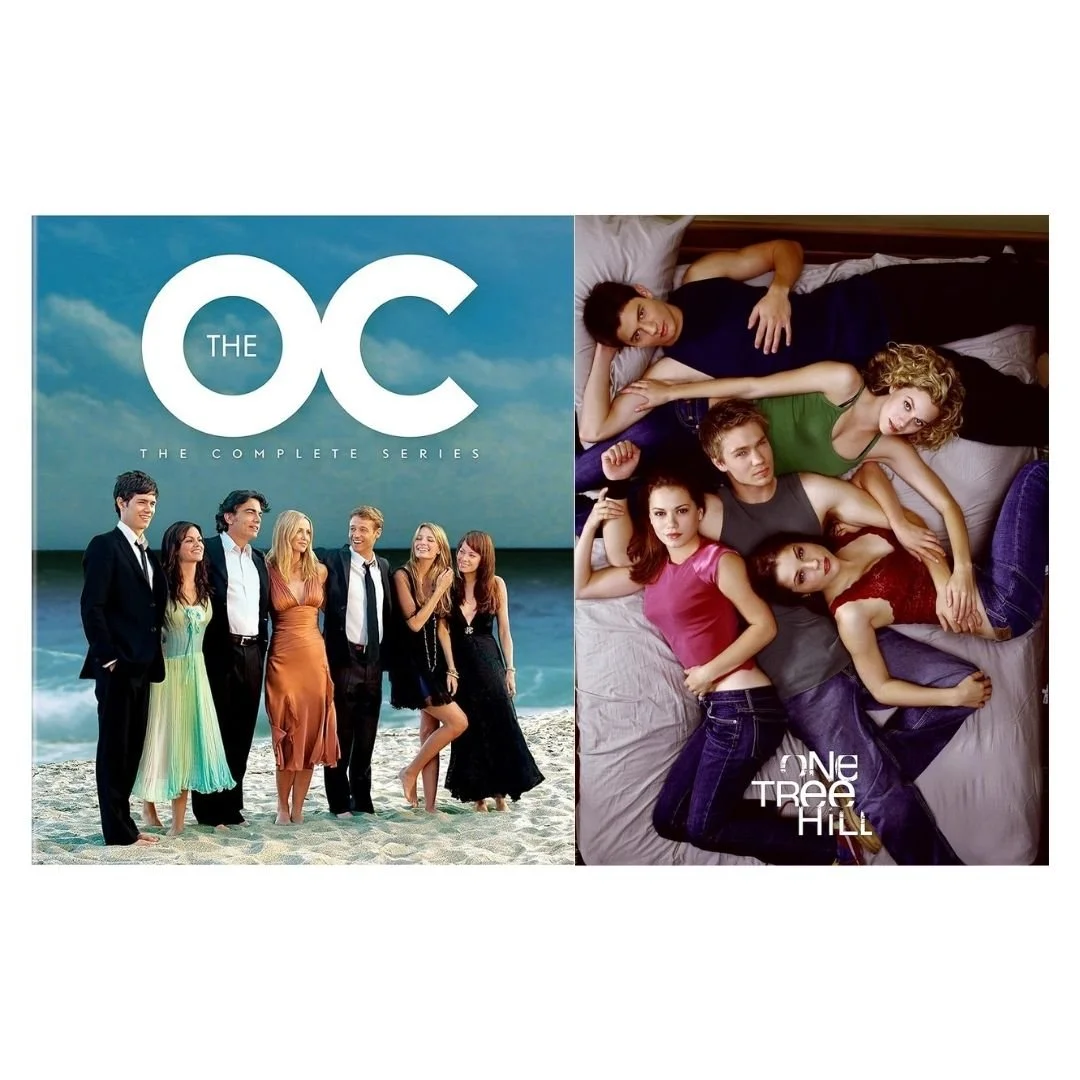
The influence of streaming platforms, reboots, and social media
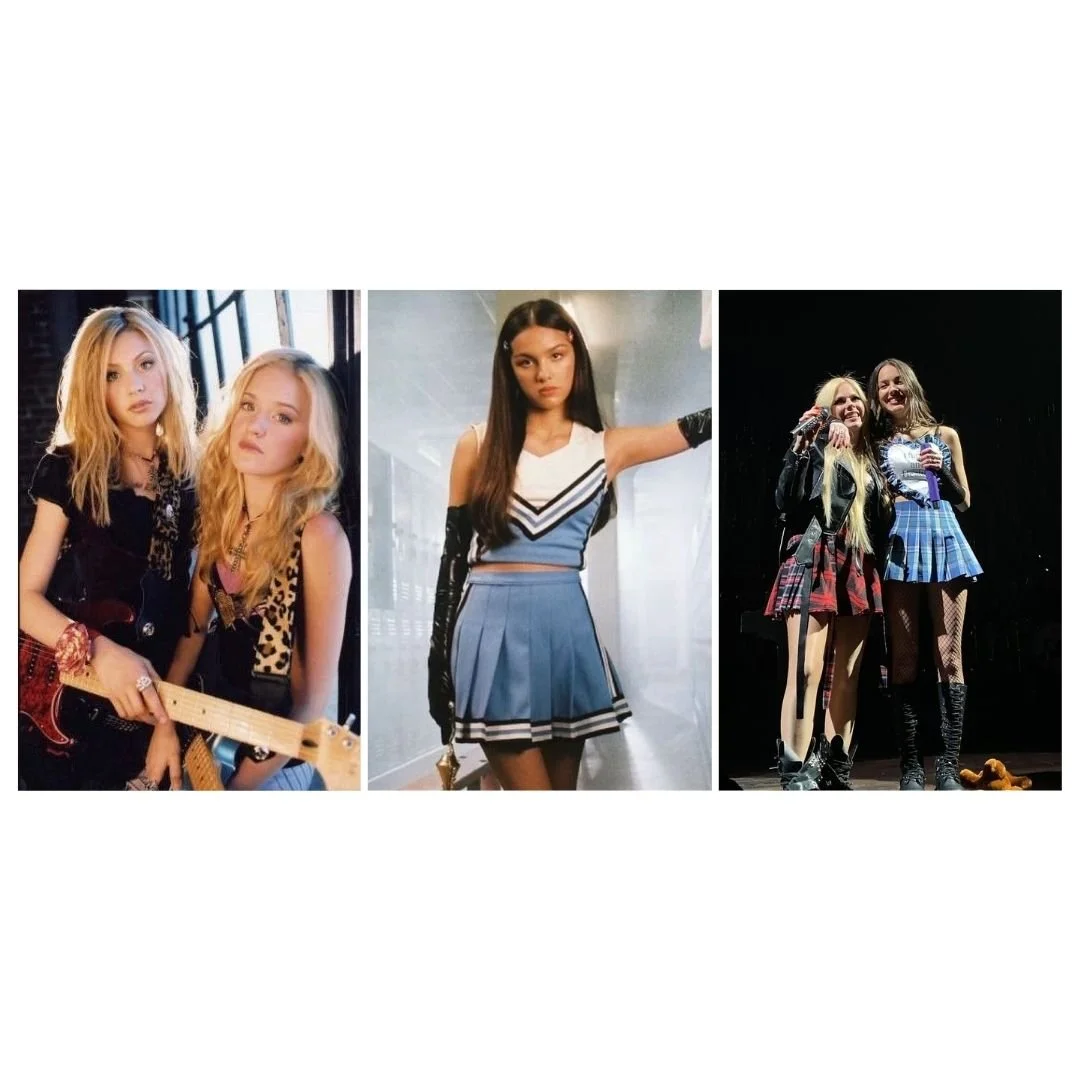
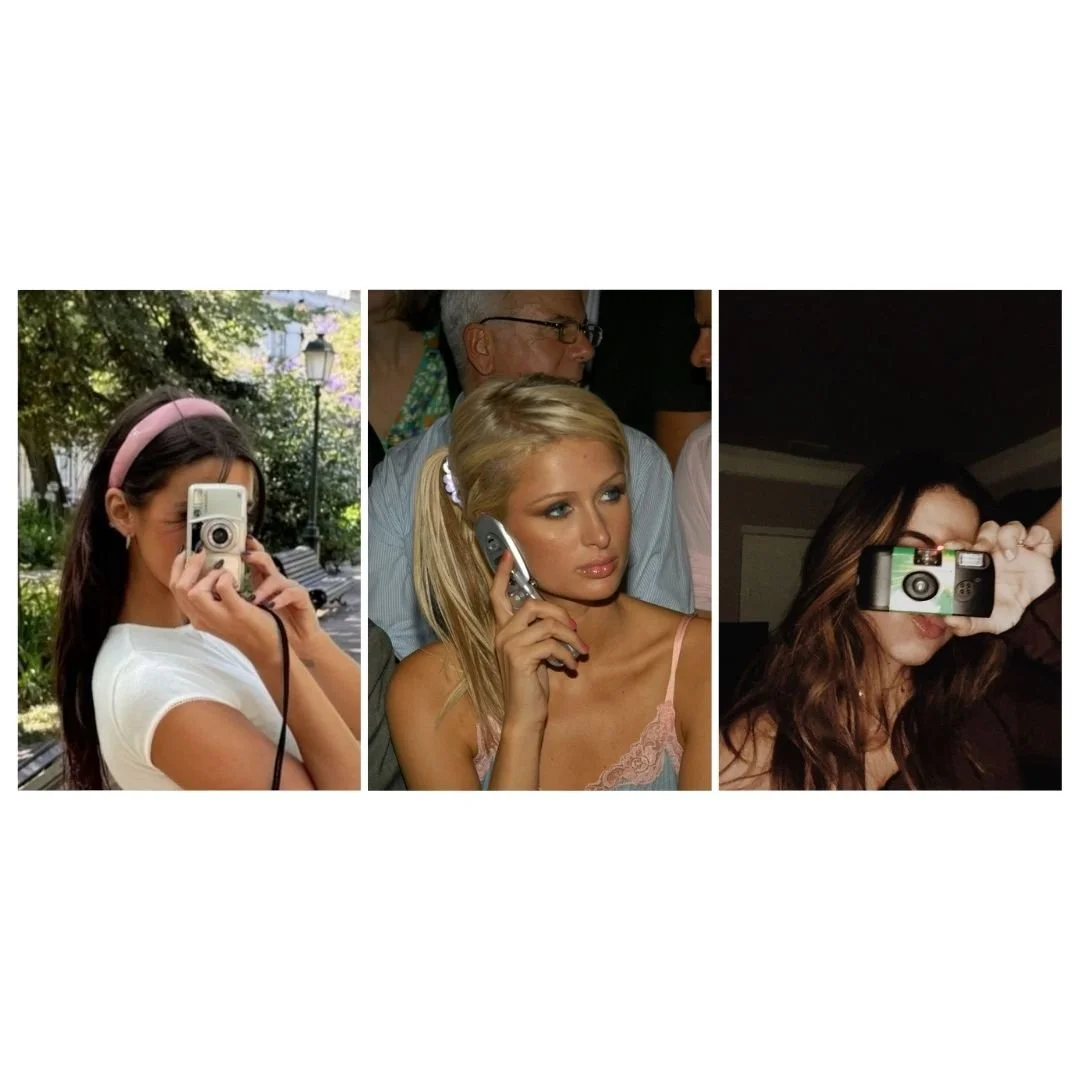
The resurgence of pop-punk music and early-2000s technology
The shift toward microtrends and individualized style
The Approach
I structured the article to:
Break down complex ideas into clear, digestible sections
Connect academic concepts (like trend cycles and nostalgia marketing) to real-world examples
Maintain a consistent voice that is informative while still conversational and engaging
Use relevant pop culture references that support the content while also making the content more relatable and timely
The Outcome
The final article presents a clear, well-structured exploration of a culturally relevant topic, supported by research and real-world examples.
It demonstrates the ability to:
Write long-form content that is both informative and engaging
Translate cultural and behavioral insights into accessible content
Maintain audience interest while delivering meaningful analysis

Key Takeaway
This project reflects my approach to content creation: combining research, cultural awareness, and clear writing to create content that is both valuable and engaging.
It also highlights my ability to adapt tone and structure based on the subject matter while keeping the audience at the center of the piece.