

TikTok Timeout: My Digital Detox Journey
By Zoe Kasinskas
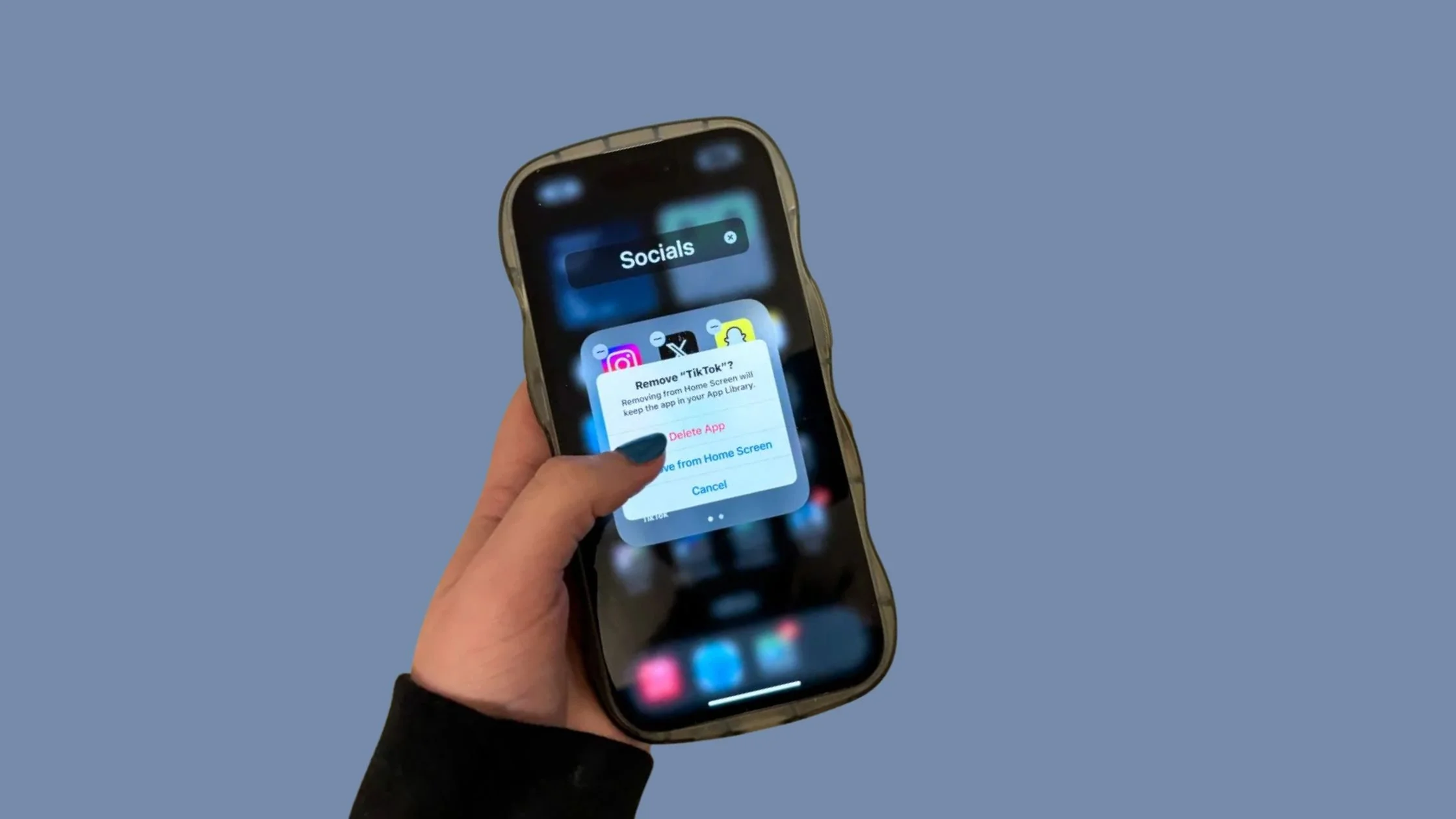
I was recently challenged to a digital detox. This is something I had always thought about doing but never acted on. Nobody told me I had to do it, so I didn’t. This was the perfect motivation for me to actually commit.
I enjoy using social media, and as someone who works in marketing and is pursuing a media and communications degree, it has become fully integrated into my life. But with the amount of time I spend on it, I have noticed a decline in my productivity and focus. I thought that by reducing my technology use, I might come to appreciate and prefer time away from my screens.
TikTok Addiction
TikTok is by far my most used app, and the one I decided to detox from. Using TikTok has become part of my daily routine; I use it as entertainment, to keep up with trends, get my news, and follow my favorite influencers. I even use it as a search engine instead of asking Google first.
With its infinite scroll feature, I find myself unable to escape sometimes. In the book Stolen Focus, author Johann Hari speaks with the infinite scroll’s designer, Aza Raskin, and his thoughts on the function. While proud of the design at first, thinking it made life easier, Raskin eventually became uncomfortable with it. He realized that making something easy to use doesn’t mean it will be good for humanity.
The “swipe down” feature to refresh your feed, featured on TikTok and many other social media platforms, almost mimics a slot machine, as studied by members of the Brown Undergraduate Journal of Public Health. The rewards gained through the TikTok algorithm can be compared to the rewards of winning on a slot machine, showing that a social media addiction mirrors a gambling addiction.
I have identified I have a bit of an addiction to TikTok, and want to be able to control it. This digital detox helped to show I can live without it.
Daily Thoughts and Desires
Monday:
Day 1. I deleted the app from my phone in the morning and went to work. I typically keep off my phone while at work, so it was easy for me to not be tempted. After work, I had an appointment, so I was still able to avoid it easily. When I finally got home, I tried to keep off of my phone as a whole. I distracted myself by cleaning my room, starting some laundry, and doing some homework. After dinner, I started to feel an itch. I found myself searching for the app on my phone, but remembered it was gone. I would become familiar with this feeling every evening throughout the week.
Tuesday:
I ended up spending the least amount of time on my phone Tuesday (5 hours and 8 minutes). In the morning, I was able to get ready much quicker as I wasn’t distracted by having TikTok playing in the background. I found it relaxing, like a breath of fresh air. As usual, I did not itch for it during the day at work. But when I got home, I found myself scrolling through my phone for anything to distract me. Some things I turned to instead included scrolling Instagram, online shopping, and playing crosswords on the NYT Games app. This scrolling didn’t last long, as I attend a night class on Tuesdays. After that, I showered and went to bed. I felt very motivated Tuesday, trying to find a reasonable way to live without TikTok.
Wednesday:
While Tuesday morning was relaxing, Wednesday morning was rough. I craved distraction, and ended up putting on YouTube for background noise. I missed reaching for TikTok in the mornings as a way to wake up and catch up on things happening. After work, I headed to the library to do homework, and found that I was able to focus much better without the temptation of TikTok. I caught up on work and was even able to get ahead on some items. The evening was difficult again. I scroll on TikTok as entertainment and to relax, like a reward after a hard day’s work. I realized that I should try something else to fill this time instead.
Thursday:
I did not find myself craving TikTok much on Thursday. I woke up late in the morning and was rushing to get ready, so I didn’t even have time to think about distractions. After work, I attended a dinner with some friends, so the company helped with being present. I did have the most phone pickups (93), which I think was because of the notifications I was getting from a text group chat about the get-together. I was tired when I got home and did not feel the need to scroll before bed. Overall I felt comfortable on Thursday, like I could continue with limited amounts of TikTok in the future.
Friday:
I found Friday a bit more difficult because of the thought of the experiment ending. I knew I would be able to download the TikTok app again the next day and was excited about it. Friday evening was especially difficult. I wanted to relax and reward myself after a long week at work. This is when I thought “Would it really be that bad if I just ended it early? It’s not like anyone would know.” But, I turned to other distractions instead, and eventually went to bed.
Afterthoughts and Future Habits
When I redownloaded TikTok on Saturday, I did binge scroll for a little bit. Since then, I haven’t been fiending for it. I ultimately feel I got a lot of work done throughout the week and was able to focus better on things at work and for school.
I am proud of myself for sticking to the detox for all five days. When I say it out loud, it doesn’t seem all that impressive. But I feel it did have an impact on me, and I plan to make adjustments in my future habits.
I removed the TikTok app from my home screen, meaning if I want to use it, I have to search for it. I am hoping this will help me not instinctively reach for it when I go on my phone. I have also decided to refrain from using it in the morning. Using my phone first thing in the morning is distracting–I want to stay in bed and continue scrolling. Plus, according to psychologist Jay Rai, using our phones first thing in the morning affects the theta and alpha stages after waking up. This habit forces us to process too much information before we are fully awake and ready for it, priming us to crave distraction throughout the rest of the day.
This experiment was ultimately very eye-opening. I realized that I don’t really need TikTok as much as I think I do. Deleting it from my life also helped me to focus more on work and school, and I felt much more productive overall. I am not planning on completely getting rid of TikTok, but by adopting new habits, I hope I can better control my behaviors.
Inspired by the work of Nicholas Felton and the Dear Data Project, I created a data visualization of my detox.
09/15/24