

Owala Mock Paid Social Media Campaign
By Zoe Kasinskas
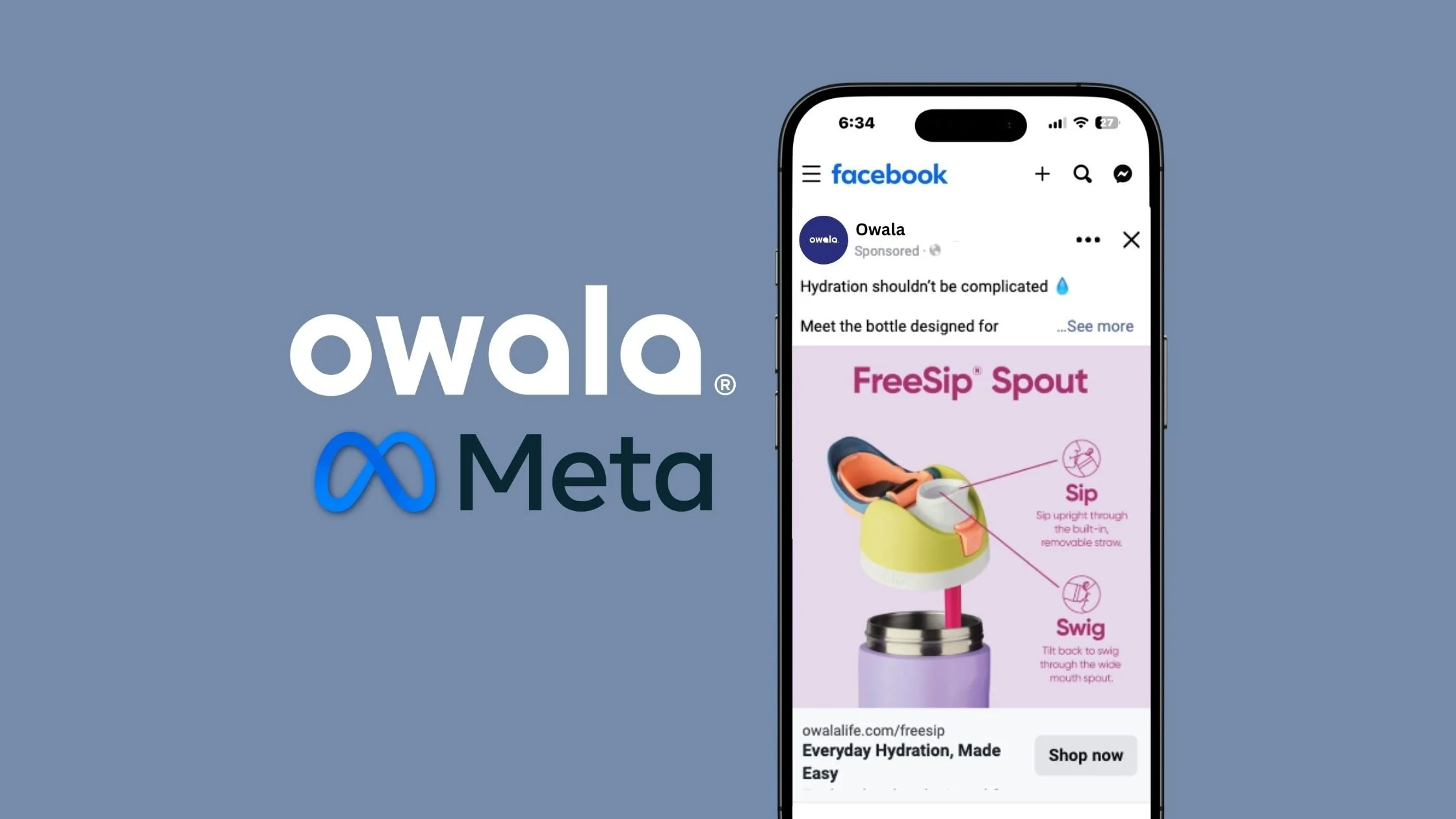
Owala is a lifestyle water bottle brand focused on making hydration as easy and convenient as possible. Designed for everyday use, Owala bottles feature thoughtful elements like built-in straws and sip lids, leakproof designs that prevent spills, and carry handles that make them easy to take on the go. Rather than positioning themselves as a performance or outdoor-focused brand, Owala emphasizes simplicity and functionality, helping people stay hydrated throughout their daily routines.
This mock paid social media campaign was created to support Owala’s visibility and website traffic, using Meta’s advertising platform to reach new audiences and introduce them to the FreeSip product line
Campaign Objective and Structure
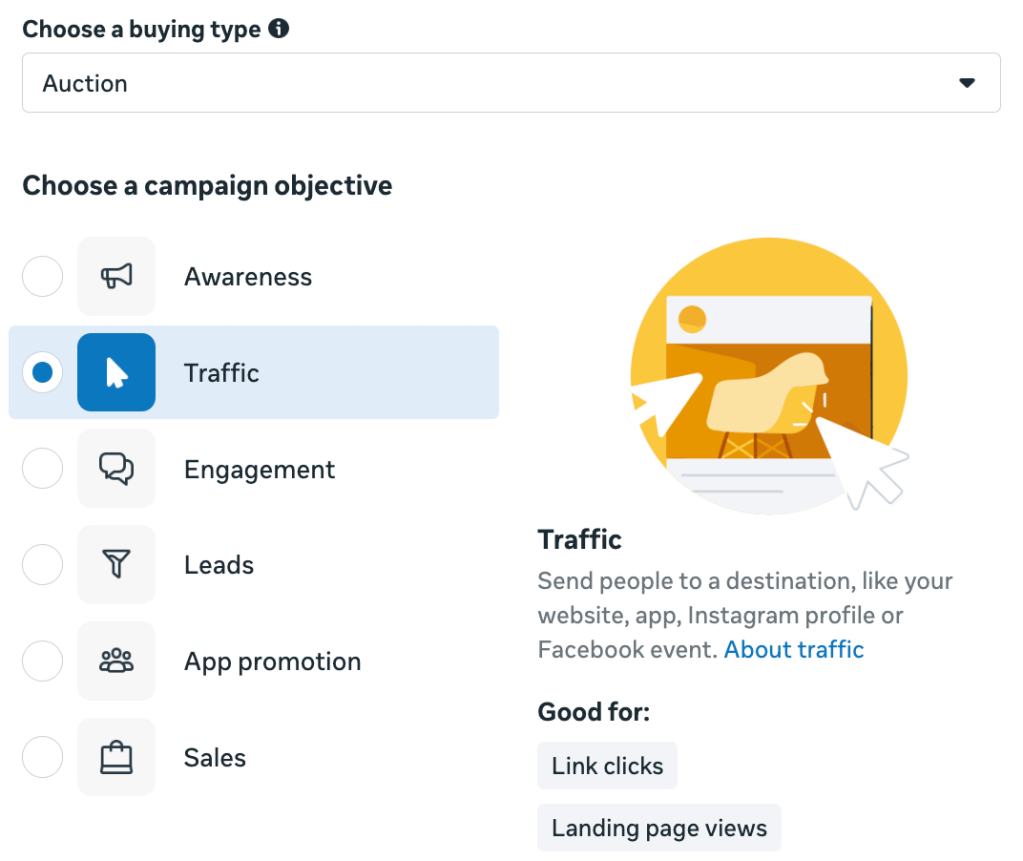
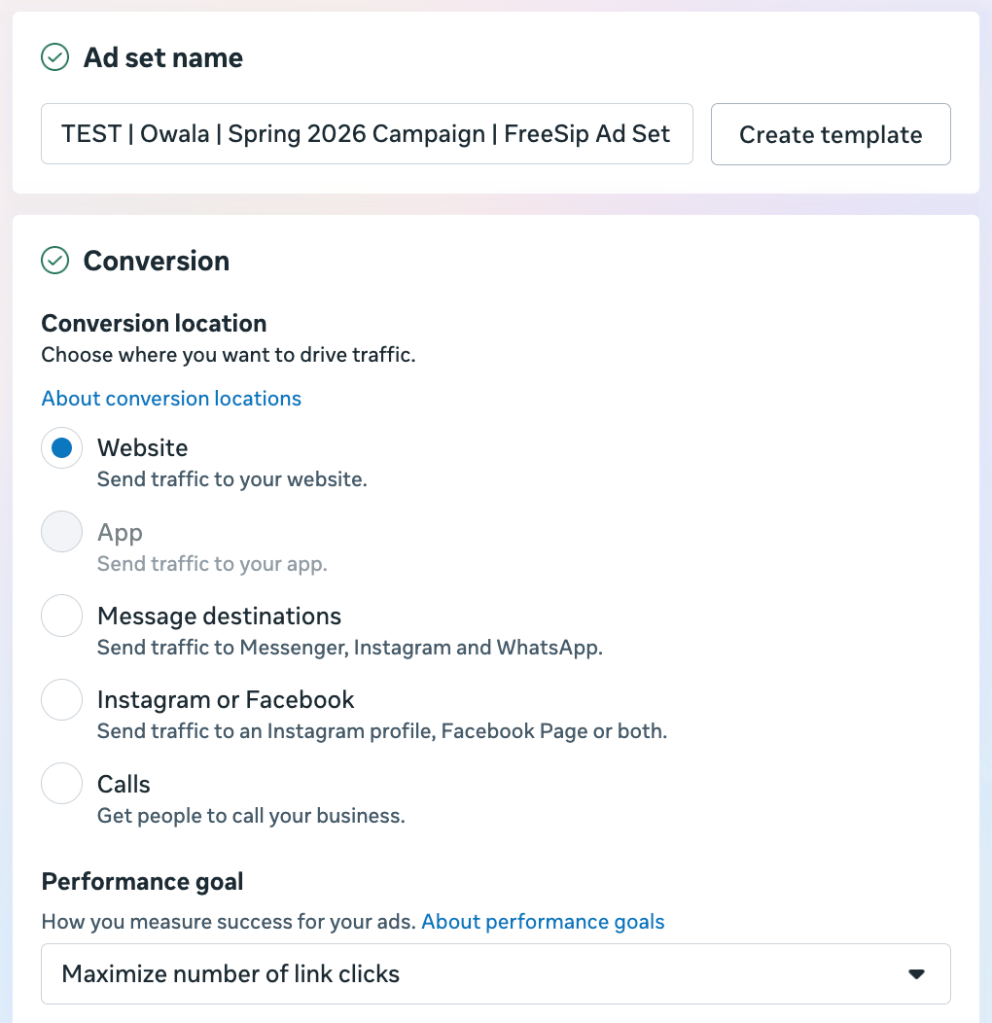
The campaign objective was set to Traffic, with the destination directing users to Owala’s website. The performance goal was set to maximize link clicks, aligning with an awareness and consideration-stage strategy. At this stage of the funnel, the focus is on encouraging users to explore the product and learn more about the brand rather than prompting immediate purchases.
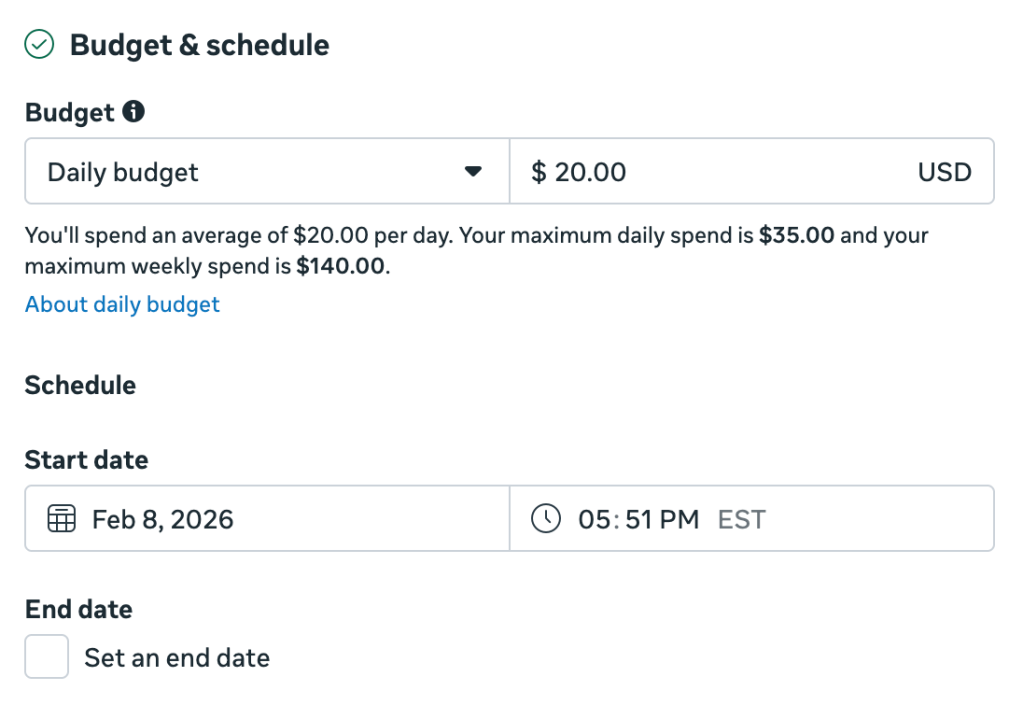
A daily budget of $20 was selected at the ad set level with no end date. This structure would allow for ongoing optimization, and flexibility from the advertiser to pause or adjust the campaign based on performance trends.
Audience Targeting Strategy
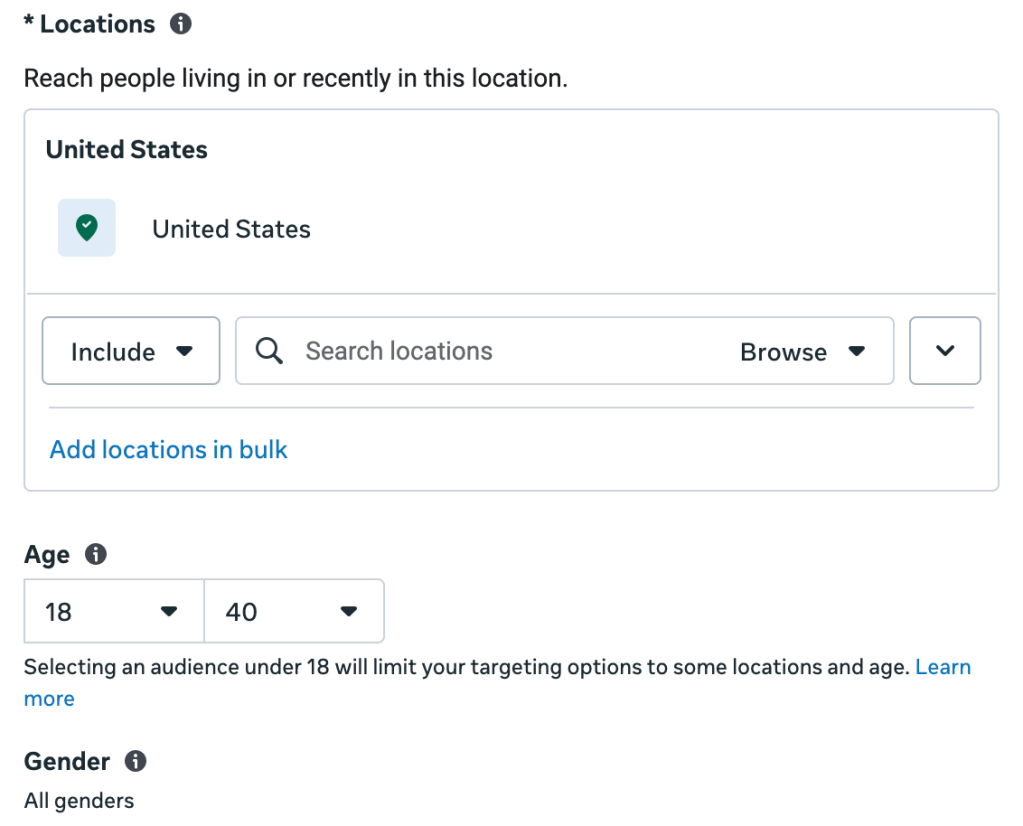
Audience targeting was designed to balance reach and relevance. The campaign targets users in the United States, ages 18-40, aligning with Owala’s core audience of students, young professionals, and individuals with active or wellness-oriented lifestyles.
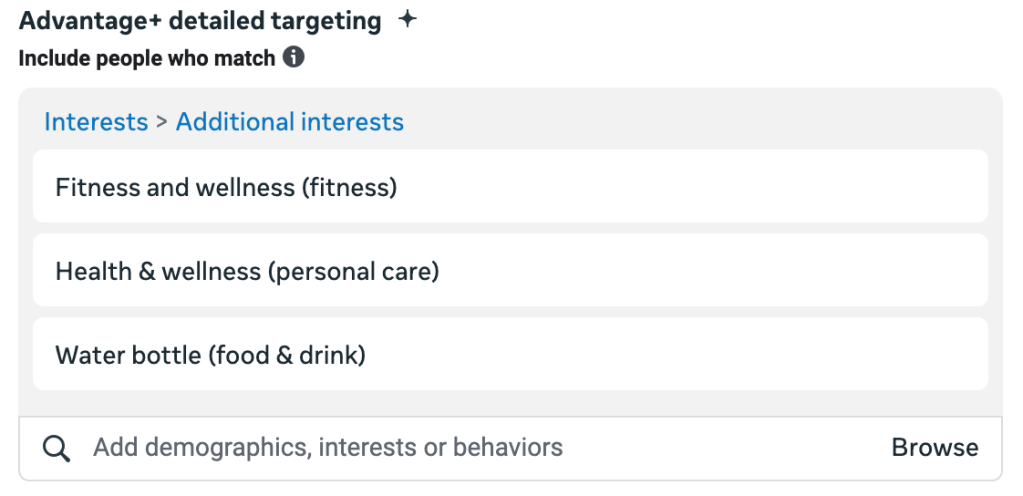
Interest-based targeting was layered in to increase relevance, including:
Fitness and wellness
Health & wellness
Water bottles
This broader targeting approach supports traffic-driven goals by allowing Meta’s algorithm to optimize delivery within these constraints. Rather than narrowing targeting too tightly, this setup encourages discovery while still reaching users likely to be interested in hydration-related products. As a more well-established brand, Owala has the flexibility to do this.
Ad Placements
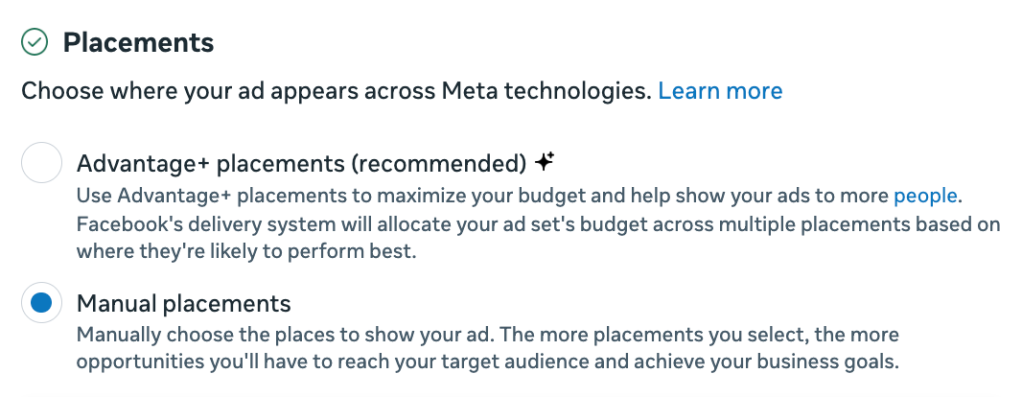
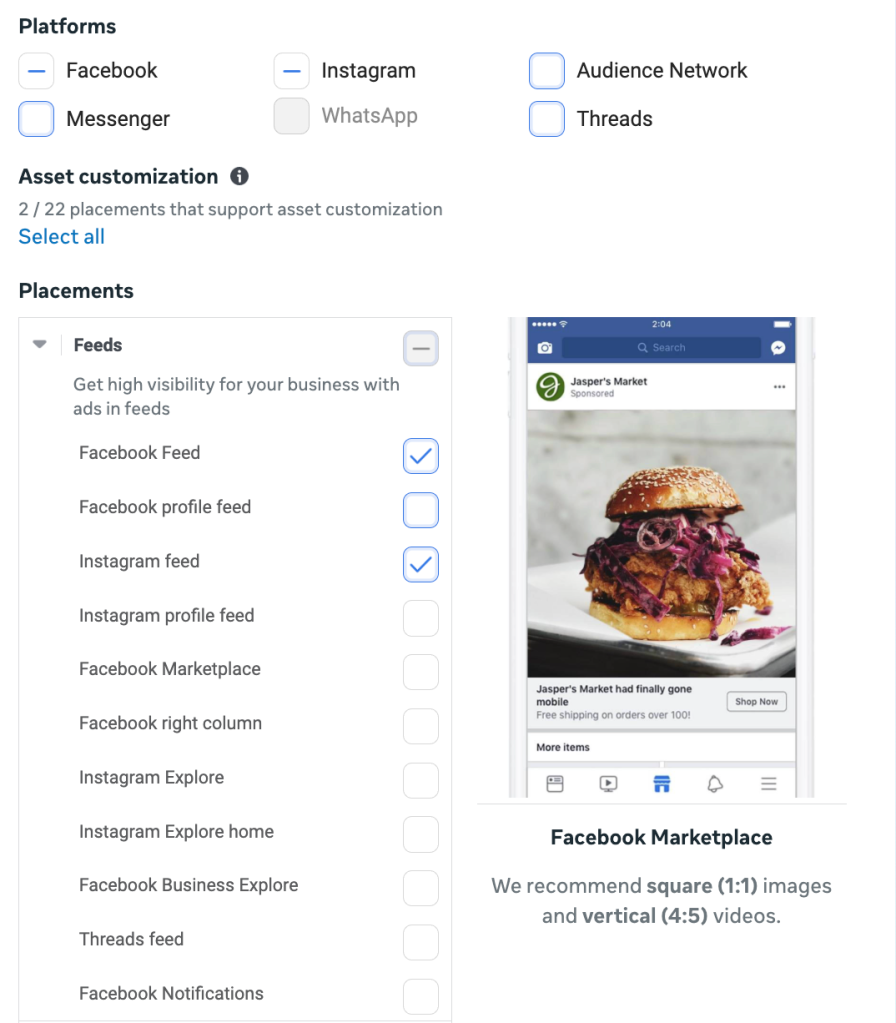
Placements were manually set to appear on the Facebook Feed and Instagram Feed. These placements were selected because they align well with square, single-image formats and allow the creative to appear naturally within users’ feeds. Facebook and Instagram feeds are effective placements for product discovery.
Ad Creative and Messaging
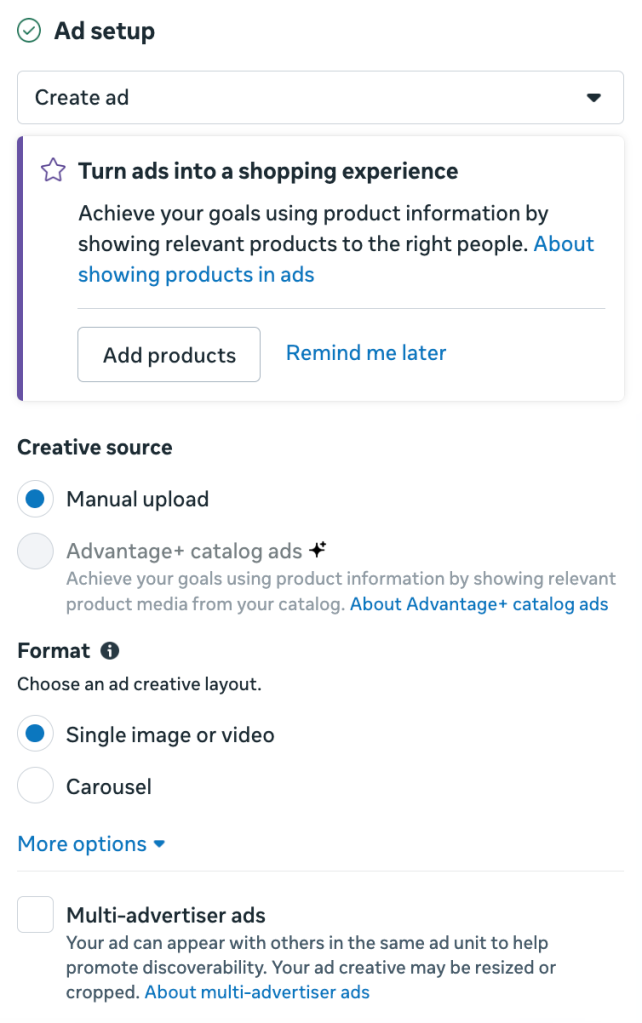
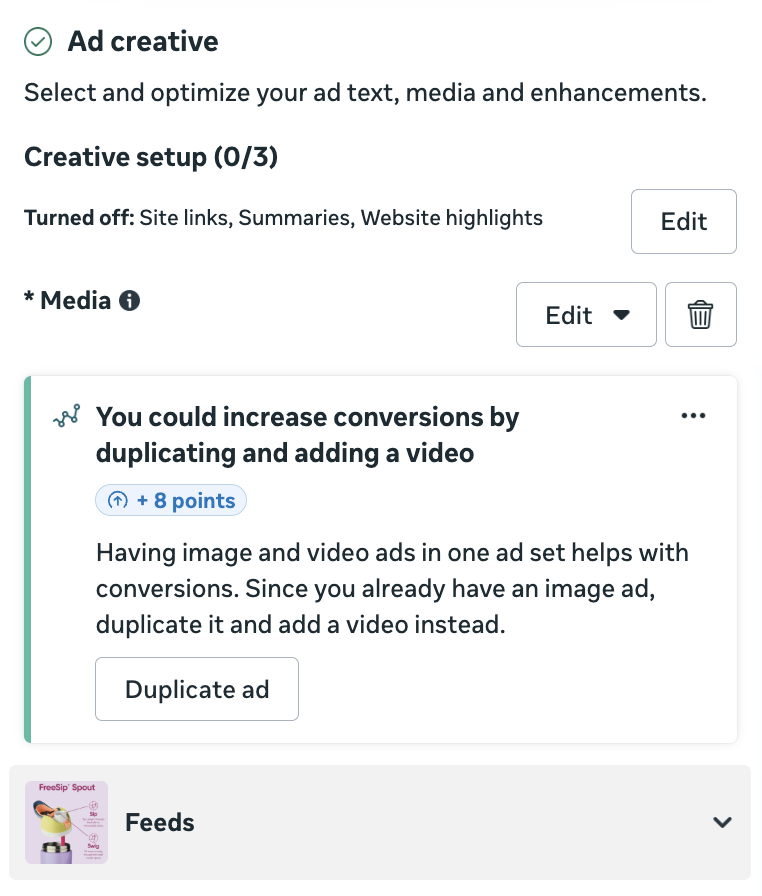
The campaign would use a single image ad format to keep the message clear and focused. Multi-advertiser ads were left unchecked to ensure the ad experience remained centered on Owala without competing brand distractions.
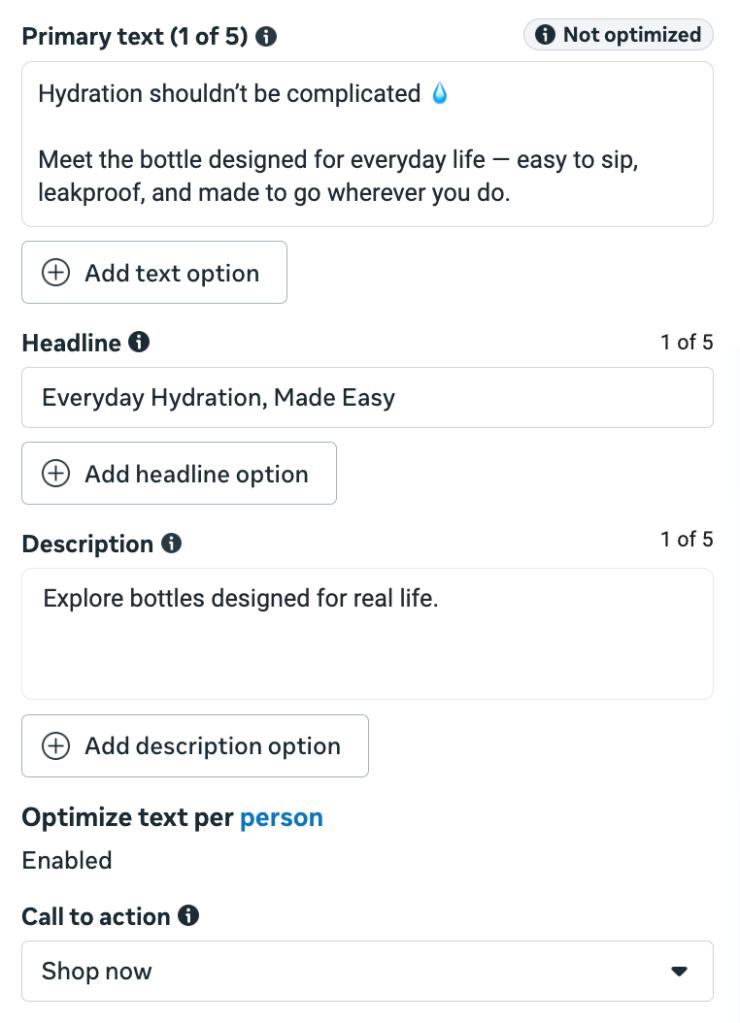
The call-to-action was set to “Shop Now.” While the campaign’s primary goal is traffic, this CTA encourages exploration without creating unnecessary pressure to convert immediately.
Measuring Success
Because this campaign focuses on traffic and awareness, success would be evaluated using the following key metrics:
Click-through rate (CTR): Measures how effectively the creative and messaging encourage clicks
Cost per click (CPC): Assesses cost efficiency in driving website traffic
Landing page views: Confirms users are successfully reaching the product page
Cost per mille (CPM): Provides insight into overall delivery and reach efficiency.
These metrics would guide optimization decisions. For example, a low CTR may indicate the need for creative refinements, while a high CPC could suggest adjustments to targeting.
Final Thoughts
This mock campaign demonstrates how paid social media can support brand awareness and website traffic without relying on direct conversion tactics. By combining a clear objective, relevant audience targeting, intentional placements, and simple, lifestyle-focused creative, the campaign positions Owala to introduce its product to new audiences and move users further along the consideration funnel.
02/08/26