

What Makes Website Content Actually Work? Key Elements of High-Performing Pages
By Zoe Kasinskas
When it comes to website content, it’s easy to focus on what looks good. But effective content goes far beyond aesthetics. The best-performing web pages don’t just attract attention; they guide users, communicate clearly, and ultimately drive action.
So what actually makes website content work?
At its core, high-performing content is built on a balance of clarity, structure, and strategy. It’s not just about what you say — it’s about how and why you say it.
Start with Clear Purpose and Messaging
Every page should have a clear goal. Whether it’s to inform, convert, or guide users to another step, effective content starts with understanding what the page is meant to do.
According to Forbes, a successful website should be able to clearly answer the core questions users naturally have: who, what, why, when, and how.
Strong messaging answers key questions right away:
What is this page about?
Who is it for?
What should the user do next?
If users have to search for these answers, the content isn’t doing its job. Clear, direct messaging helps reduce confusion and keeps users engaged from the start.
Structure Content for Easy Scanning
Most users don’t read websites word-for-word. They scan. Research from the Nielsen Norman Group shows that users typically skim content to find what’s most relevant to them.
That’s why structure is critical.
High-performing pages use:
Clear headings and subheadings
Short paragraphs
Bullet points and lists
Logical content flow
These elements make content easier to navigate and help users quickly find what they need. They also align with best practices outlined by Mailchimp, which emphasizes usability and simple, easy-to-follow layouts as key components of effective website design.
Prioritize Clarity Over Complexity
One of the most common mistakes in website content is overcomplicating the message. Trying to sound overly technical or polished can actually make content harder to understand.
Effective content is:
Clear
Concise
Easy to follow
The goal isn’t to say more, rather to say what matters, in a way that’s easy to understand.
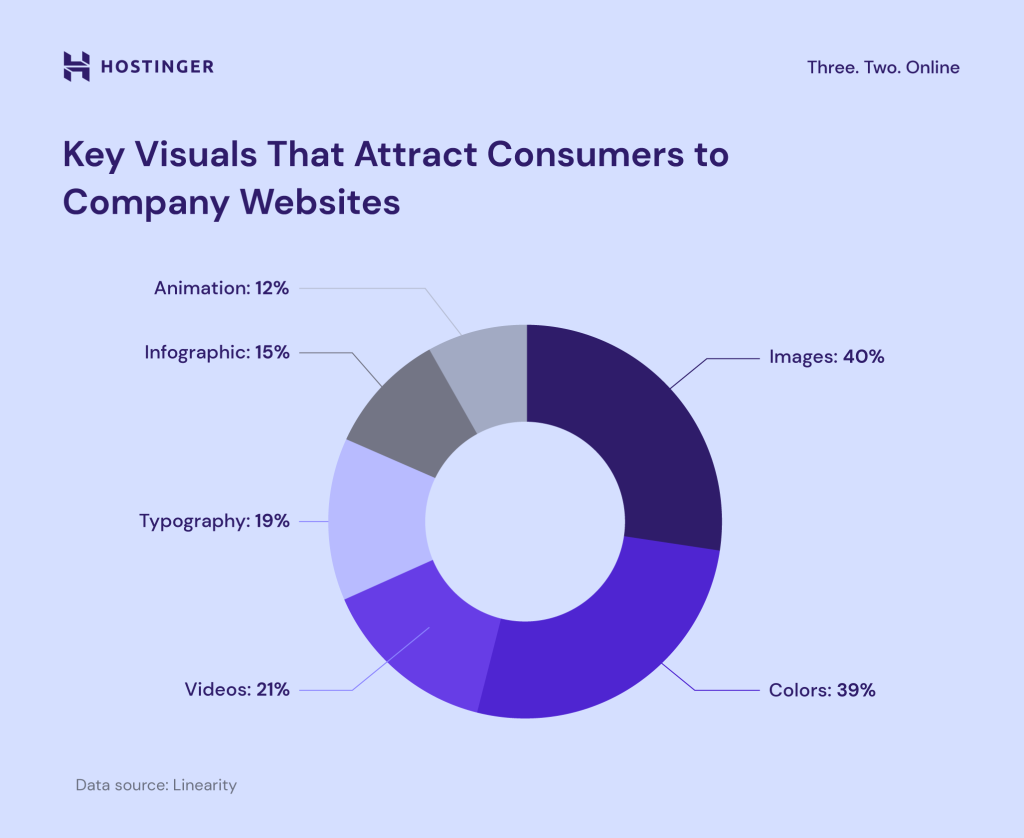
Use Visuals and Formatting to Support the Content
Source: Hostinger
Visual elements play a key role in how users experience a page. Images, layout, and spacing can either enhance or distract from your message.
High-performing pages use visuals intentionally:
To break up text
To highlight key information
To support storytelling
Strong visual hierarchy (how content is organized and presented) also helps guide users through the page.
Effective websites combine content, visuals, and layout to create a seamless and engaging user experience.
Focus on Engagement and Conversions

Source: WebSolutions
Effective content drives action.
Whether that action is clicking a button, filling out a form, or exploring another page, content should always guide users toward a next step.
Strong calls to action (CTAs) and user-focused design are essential for turning engagement into conversions. Without a clear path forward, even well-written content can fall short.
Common Mistakes to Avoid
Even strong websites can miss the mark when content isn’t executed well. Some of the most common issues include:
Overloading pages with too much text
Unclear or inconsistent messaging
Poor structure that makes content hard to scan
Visuals that don’t align with the content
Lack of clear calls to action
Many of these issues come down to the same problem: not prioritizing the user. Content should always be created with the user’s needs and experience in mind.
The Bottom Line
Effective website content isn’t just about what looks good — it’s about what works.
High-performing pages:
Communicate clearly
Are easy to navigate
Support user needs
Guide action
When content is both strategic and user-focused, it creates a positive experience for the user to find the information they need.
And that’s what makes it truly effective.
03/29/26